Why Food and Travel Go Hand in Hand
Each journey begins as a blank canvas, waiting to be colored by vivid flavors and new experiences. Food is often the first and most immersive introduction to a place, offering insight into local customs, history, and community life. Whether sharing a simple meal at a seaside shack or savoring a multi-course feast in a renowned city, travelers frequently find that it is the tasting and discovery of unique dishes that gives a trip its heart. The sensory pleasures of travel extend beyond landmarks and landscapes—it’s also about the aroma of freshly baked bread wafting through a narrow street or the lively chatter over shared plates at a crowded night market.
Few things are as meaningful as bonding over food with strangers, who soon become friends. From the clink of glasses in a bustling tapas bar in Spain to the quiet joy of a homemade curry shared with family in India, these moments offer a glimpse into local life.
The Universal Language of Cuisine
Cuisine communicates in ways that transcend words, breaking down barriers and forging connections that might otherwise seem impossible. Regardless of culture or nationality, the joy of tasting something new is a shared human experience. Many who travel recount times when language presented a barrier—but sitting across from a local, savoring a beloved dish, the need for words melted away. A satisfied sigh, a delighted smile, or the communal gesture of toasting are expressions recognized everywhere. In this way, food becomes a universal language, fostering understanding and goodwill even in unfamiliar settings.
Numerous real-life accounts demonstrate how food brings people together. Culinary storyteller Claudette Spinelli Schwartz, for example, has described how meals shared during her travels opened doors to unexpected friendships and deeper cultural insight. Adventurous travelers often find themselves invited into kitchens to learn treasured family recipes, or joining local holiday tables as unexpected yet welcomed guests. These shared moments mark the true highlights of global exploration.
Tasting Traditions: Exploring Local Specialties
Each region boasts a distinct culinary character shaped by its history, environment, and traditions. Trying a local specialty is more than just eating—it’s an immersive lesson in cultural roots, geography, and community values. Whether it’s the rich, smoky essence of Texas barbecue, the aromatic complexity of Vietnamese pho, or the bold spices in Moroccan tagine, every dish tells a deeper story of migration, adaptation, and shared customs. In the U.S., regional favorites like clam chowder from New England or jambalaya from Louisiana further highlight how diverse cultural influences have left their mark on the American table. With every flavorful bite, travelers discover a tapestry of human experiences woven into food.
- Visit local markets early in your trip to observe what residents purchase and eat on a daily basis.
- Don’t hesitate to ask locals, such as your taxi driver or hotel concierge, where they prefer to eat—you might discover hidden gems miles from any tourist spot.
- Order a selection of small portions to sample a range of flavors, especially at tapas bars or street food stalls.
- Embrace the unfamiliar; sometimes the most memorable dishes are the result of a leap of faith.
Often, these uniquely local foods become the highlight of a trip, coloring travel memories for years to come and inspiring future journeys.
Food Markets and Street Eats: Where Real Life Happens
The heartbeat of any city or village is often found in its open-air markets and streets teeming with food vendors. These bustling spaces are where daily life unfolds—the exchange of ingredients and the crafting of quick, flavorful meals. The sights and sounds—a sizzling grill, a vendor calling out daily specials, friends exchanging greetings—paint a picture of authentic community. For many, the best travel stories start around a well-loved food cart or at a vendor’s stall, with the willingness to try a specialty that comes wrapped in newspaper or perched on a stick.
Whether it’s biting into elote (grilled corn) in Mexico City, slurping down steaming bowls of noodle soup in Bangkok, or grabbing a savory empanada in Buenos Aires, these on-the-go delicacies invite visitors to step straight into the rhythm of everyday life.
Cooking Classes and Home Dinners: Deeper Culinary Connections
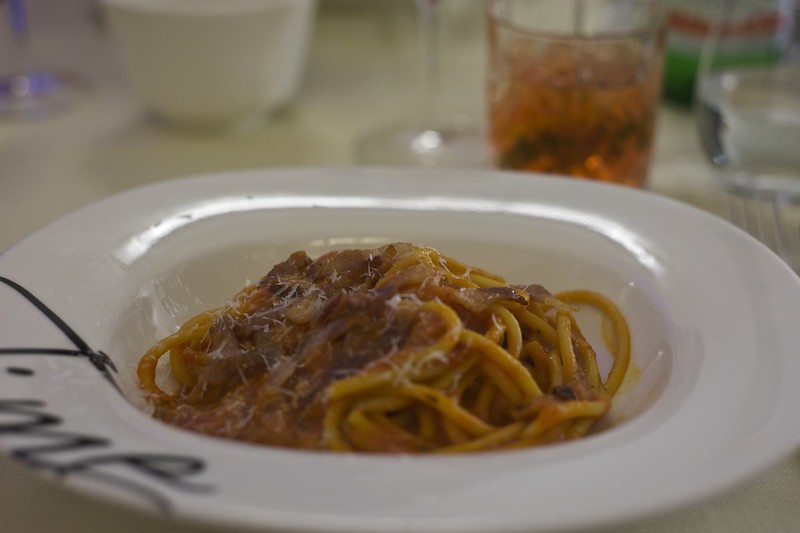
Food memories become even more vivid when travelers take part in their creation. Participating in a local cooking class is a hands-on way to learn about a destination’s culinary soul. It’s here, elbow-to-elbow with skilled chefs or friendly grandmothers, that age-old techniques and the secrets of classic recipes are passed down. Preparing handmade pasta in Italy or rolling sushi in Japan isn’t just about learning a recipe—it’s about understanding the significance and care woven into each dish.
For a truly immersive experience, dining in a resident’s home offers an unparalleled window into everyday traditions. Home-cooked meals reveal nuances of family life and seasonal customs that restaurants may not capture. The laughter, candid stories, and gestures of welcome often transform these evenings into lasting friendships, not to mention treasured recipes that find their way into travelers’ kitchens for years to come.
Capturing the Senses: Food Memories That Last
The strongest memories of a trip often surface when least expected—a whiff of cinnamon, the sizzle of onions, a particular melody in the background. These subtle sensory cues conjure images of specific places and moments. A single forkful can transport you back to the clay-walled café in Marrakech or the bakery-lined lanes of Paris. For many, collecting food experiences becomes a kind of travel diary, one marked by scent, taste, and sound.
- Start a travel food journal, jotting down what you ate, where, and with whom.
- Take photos of both dishes and the settings—tables, market stalls, and the faces around you all tell part of the story.
- Try to collect recipes, menus, or even spice packets as reminders to recreate meals inspired by your travels when you return home.
- Share your favorite discoveries on social media or through stories with family and friends, spreading the excitement and inspiration.
In doing so, these memories stick around, and what was once a fleeting bite or a passing conversation becomes part of a traveler’s narrative.
Mindful Eating and Respect for Local Customs
Truly memorable travel meals are as much about respect and awareness as they are about selection or flavor. Dining customs vary widely around the globe; in some places, it’s customary to eat with your hands, while in others, leaving food on your plate means you were well fed. Taking the time to notice how meals are presented, asking about the proper ways to eat, and expressing gratitude to hosts all contribute to a deeper appreciation, not just of what’s on the plate, but also of the culture that produced it.
Practicing mindful eating abroad, slowing down, paying attention to the tastes and textures, and observing local rituals brings travelers into the moment. As highlighted in this piece on food presentation and mindful eating, even the way a dish is arranged can encourage mindfulness and a deeper sensory experience. It fosters a sense of respect for people, places, and the centuries-old stories carried in a single dish.
Building Community Around the Table
In every culture, gathering around a table is a profoundly significant act. Communal dining encourages laughter, storytelling, and connection—whether with lifelong friends or newly met companions on the road. Many travelers find their favorite memories center on unexpected invitations to join a local celebration, or lively communal dinners at hostels or guesthouses.
These shared experiences foster a sense of belonging even far from home. The friendly banter, the passing of plates, and the discovery of unfamiliar customs all contribute to building bridges across backgrounds and borders. Time and again, it has been proven that food is a connector, turning strangers into friends and travel into a genuine community.
Final Thoughts: Bringing Global Flavors Home
The lessons learned at tables across the world don’t have to end once the trip is over. Incorporating new ingredients, recipes, and mealtime rituals at home can keep the travel spirit alive, transforming everyday routines into celebrations of discovery. Cooking for friends or family, telling the stories behind the dishes, and even making a favorite snack from another country are ways to extend the journey indefinitely.
Ultimately, the world shrinks and becomes more welcoming with every new flavor tasted and tradition embraced. Each meal shared in a distant corner of the globe adds a layer to a traveler’s story, proving that food and travel together create memories that endure far beyond the last bite.