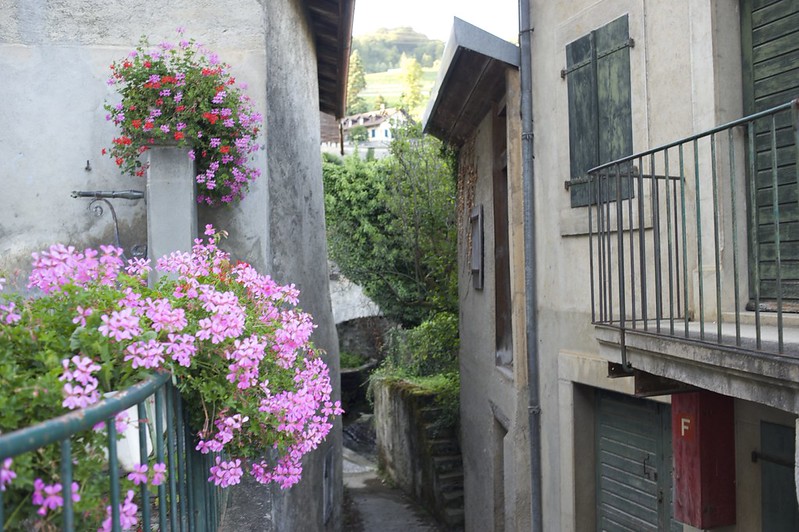
I’m heading to Geneva for a city break in about a week’s time, and I’ve already started thinking about how best to pack. The forecast suggests a broad range of temperatures—mostly sunshine, some rain, and even a chance of snow on the day I arrive. Such is spring in Switzerland.
My itinerary leans urban, but not entirely. I’m hoping to spend time walking through the terraced vineyards of Lavaux and taking in some less citified stretches along Lake Geneva. Most days will be long, and I’ll be on my feet for much of that time.
Thinking it through, I’ve realised that packing for Geneva at the end of March isn’t really a special case. The same principles apply here as they do for almost any city break.
It’s less about preparation and more about editing. The instinct is to anticipate every possible scenario—rain, heat, a spontaneous gallery opening, an overly ambitious dinner reservation—but the reality of a short urban trip is repetition. You will walk a lot, sit a lot, and, if you’re doing it right, drift between the two without thinking too hard about what you’re wearing or carrying.
Start with the shoes. One pair you can walk in for hours without noticing them, and, if you must, a second pair that slightly elevates things for the evening. That’s it. Shoes are the heaviest commitment you’ll make, physically and psychologically. Everything else should orbit around them.
Clothing should follow a simple rule: layer, don’t specialise. A city break wardrobe exists in the space between adaptability and restraint. Think one or two pairs of trousers, a small rotation of tops, and a light jacket that can handle shifting weather and shifting moods. Neutral tones help—not for aesthetic purity, but because they allow you to stop thinking about combinations. The goal is to reach into your bag without hesitation.
A small bag inside your main bag is useful—something you can carry during the day without feeling like you’ve brought your entire life along. This is where the essentials live: phone, wallet, a portable charger, maybe a notebook if you’re inclined to notice things. Everything else should stay behind. The best city experiences tend to happen when you’re unencumbered enough to follow a street, a smell, or a vague recommendation without resistance.
Toiletries are where overpacking thrives. Decant, reduce, and question every item. Most cities will sell you what you forgot, often in more interesting packaging than what you brought. There’s a quiet pleasure in acquiring the occasional necessity on the road—it makes the trip feel less sealed off.
Finally, leave space. Not just physically in your bag, but mentally in your plan. A city break is not a checklist; it’s a sequence of small decisions. Packing lightly is a way of committing to that idea in advance. You’re choosing flexibility over control, curiosity over contingency.
And when you return, you’ll notice what you didn’t use. That’s the real packing list for next time.